

From Prompt Engineering to Vibe Coding
For a while, prompt engineering was the star of the show. And honestly, for good reason. A well-written prompt can dramatically improve what an AI gives back. Anyone who has spent time tweaking instructions knows how big the difference can be.
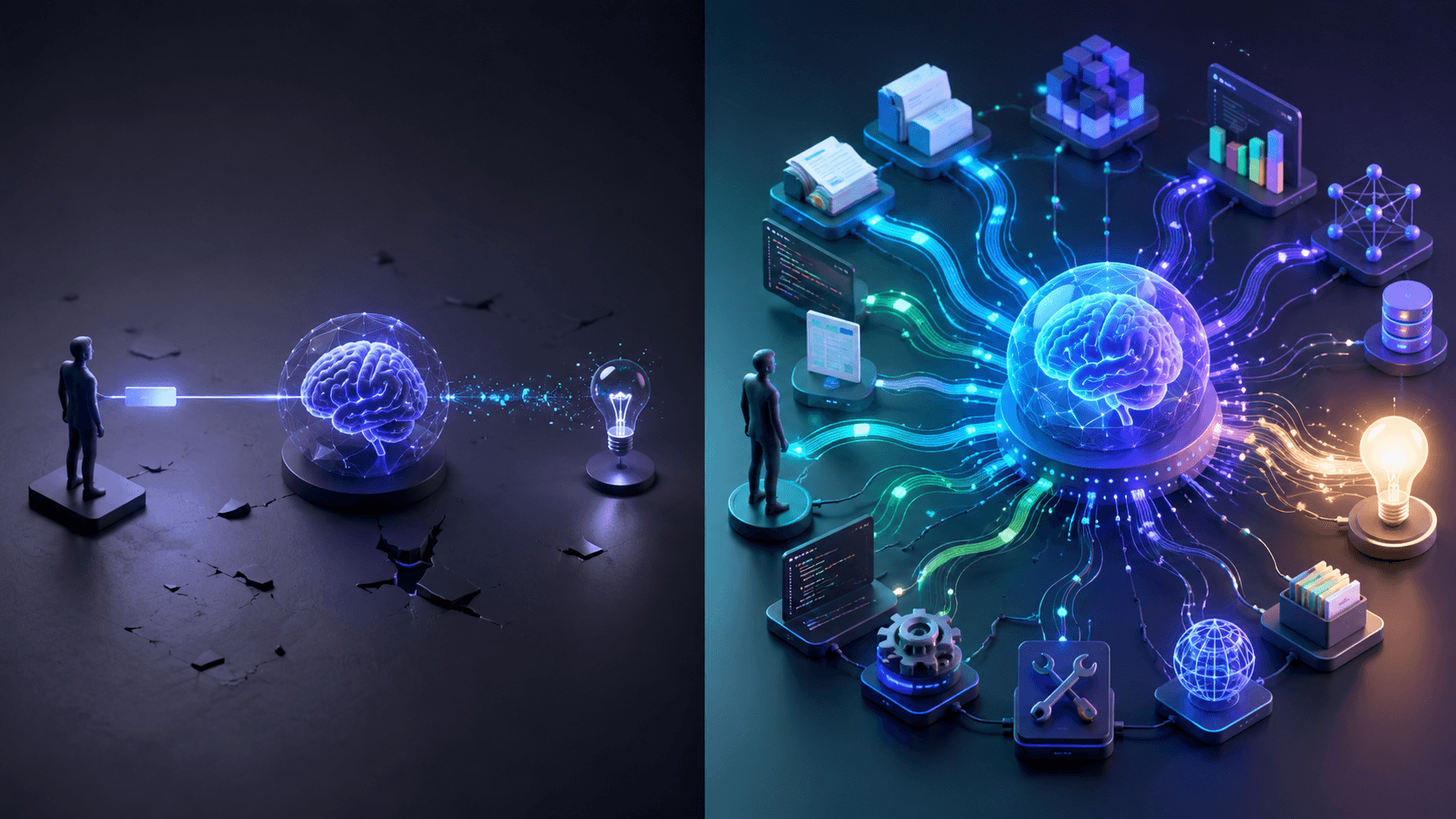
But as AI systems grow more complex, something becomes obvious pretty quickly: clever prompts alone don’t scale. You can’t keep stacking instructions forever and expect consistent results. At some point, you stop “prompting” and start shaping behavior.
That shift is where vibe coding comes into play. It’s less about finding the perfect wording and more about defining how an AI should behave over time. Tone, boundaries, priorities, fallback behavior - all the subtle things that influence whether an AI feels dependable or chaotic. Unlike one-off prompts, vibe coding focuses on long-term consistency across every interaction.
So What Is Vibe Coding, Really?
At its core, vibe coding is about embedding intent into AI interactions. Instead of telling the system exactly what to say each time, you define how it should think, respond, and recover when things get messy.
That includes tone, level of confidence, how strict it should be with facts, how it handles uncertainty, and how closely it aligns with a brand’s voice. When it’s done well, the AI doesn’t just give correct answers - it responds in a way that feels steady, professional, and intentional.
The difference is subtle, but users notice it immediately.
The Hidden Mess Most Teams Don’t Talk About
As companies rush to integrate AI, prompts tend to grow organically. Someone adds a rule here. Another team patches a workaround there. Over time, instructions pile up, contradict each other, and drift in tone.
What you end up with is prompt spaghetti - long, fragile instruction blocks that are hard to reason about and even harder to maintain. Outputs become unpredictable. Costs creep up. And worst of all, trust in the system starts to erode.
This problem isn’t new. Software teams have dealt with it for decades. The solution is also familiar: refactoring. Just like code, AI workflows need regular cleanup. Without it, scaling becomes painful and reliability suffers. And this kind of cleanup requires a developer mindset, not just prompt-writing skills.
As vibe-coded projects mature, the real challenge shifts from generating features to maintaining structural integrity. Without documentation, consistent patterns, and testing discipline, AI-generated code can become fragile over time.
A structured vibe coding cleanup and refactoring service helps teams audit generated modules, eliminate brittle logic, restore test coverage, and reintroduce engineering guardrails — ensuring fast AI experimentation evolves into maintainable, production-ready systems.
What a Vibe Code Cleanup Specialist Actually Does
This is where the Vibe Code Cleanup Specialist fits in. Think of them as maintainers of AI behavior rather than creators of flashy demos.
Their job is to audit prompt stacks, remove duplication, resolve conflicts, and bring everything back into a coherent structure. They align tone with brand guidelines, simplify logic, and rebuild interactions so the system behaves consistently.
In real-world projects, cleanup often reduces prompt size by 40–60%. More importantly, it makes outputs predictable again. It’s not glamorous work, but it’s the difference between an impressive prototype and something that can survive in production.
It’s Not Just Editing Text
Cleanup goes far beyond rewriting sentences. It’s about structure.
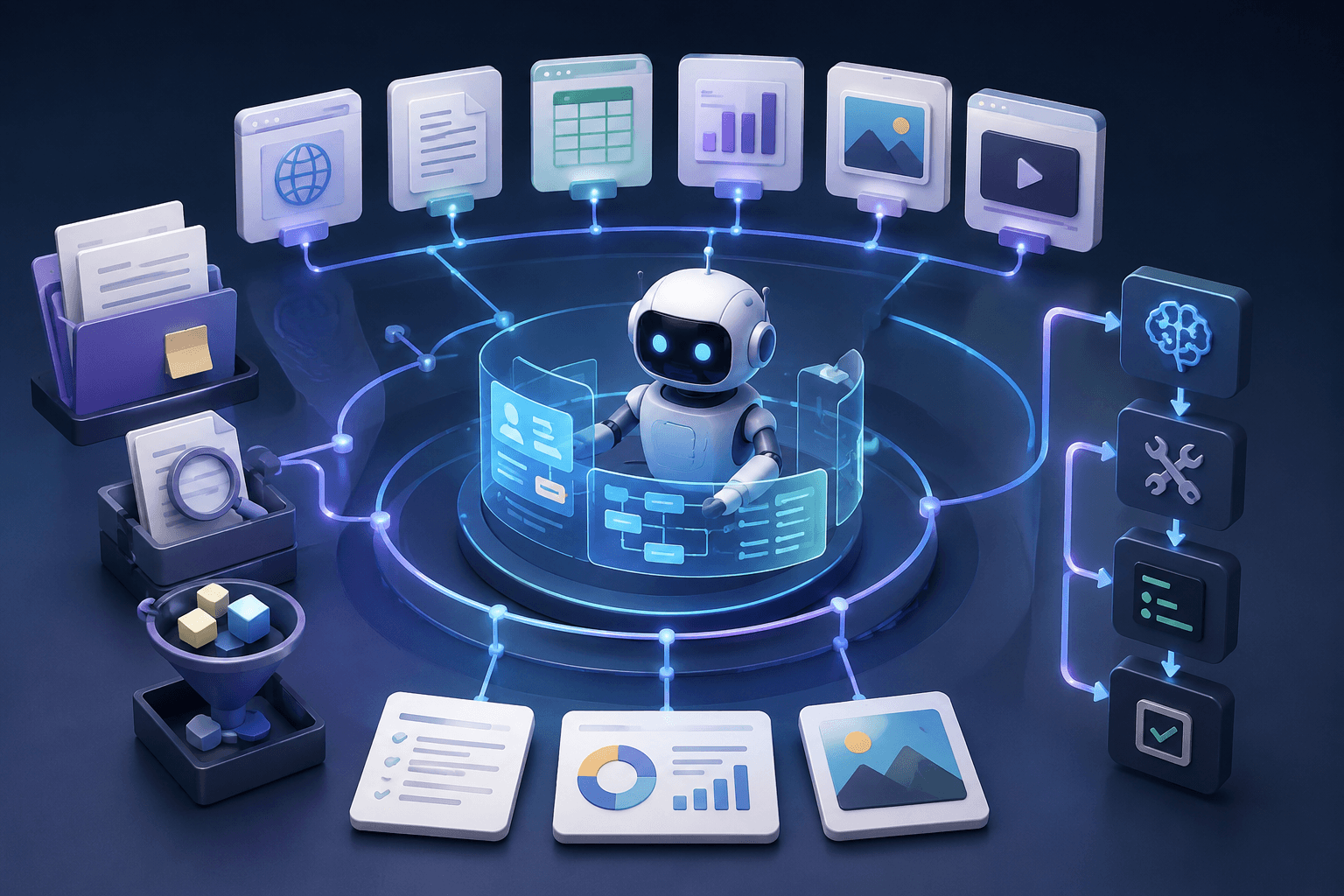
Experienced teams break AI instructions into modular components. One module governs tone. Another handles factual accuracy. Another defines how errors are managed. Each piece can be tested, updated, and versioned independently.
This approach borrows directly from software architecture. Version control, testing, modular design - all the boring but essential practices that keep systems stable as they grow. That’s why engineers tend to excel here. They’re used to building things that have to keep working six months from now, not just today.
Why Clean Vibe Code Matters to the Business
From a business perspective, the impact is straightforward. Clean vibe code leads to fewer hallucinations, more consistent user experiences, and stronger trust in the product. It also simplifies compliance and reduces the risk of AI saying something that damages the brand.
I’ve seen teams cut customer escalations by roughly 25% after a proper cleanup. Not because the AI became smarter overnight, but because it started handling edge cases calmly and consistently. That’s measurable value, not hype.
The Next Step: VibeOps
We’ve seen this pattern before. Development and operations eventually merged into DevOps because complexity demanded it. AI is heading in the same direction.
VibeOps will bring together creation, cleanup, and governance of AI interactions. Prompt engineers will define behavior. Cleanup specialists will keep it coherent and sustainable. Together, they’ll ensure AI systems evolve without becoming brittle.
Final Thoughts
After more than 15 years in software development, one lesson keeps repeating itself: maintainability matters more than brilliance. AI is no exception.
Without cleanup and structure, even the smartest systems become liabilities. With the right specialists - and the discipline to treat AI like real software - it becomes something far more valuable: a reliable extension of your product, your brand, and your strategy.
At that point, AI stops being an experiment. It becomes infrastructure.
Scaling AI-written code requires more than prompt optimization — it demands integration, observability, governance, and operational reliability.
That’s where AI automation services provide a structured path forward. By aligning AI workflows with business systems, security standards, and measurable KPIs, organizations can move from experimental builds to stable, enterprise-grade deployment.