
Anyone who has worked in logistics for more than a few months knows there’s always more happening behind the scenes than people assume. From the outside, global delivery appears smooth - orders come in, trucks move, updates appear online. But underneath that simplicity is a constant shuffle of variables: regulations changing mid-route, unexpected traffic, weather that refuses to cooperate, and customer demand that rarely matches projections.
For years, much of this was held together by people who simply knew how to make things work - experience, improvisation, constant communication. It carried the industry far, but once supply chains grew larger and faster, relying on instinct wasn’t enough. Software stepped in not as a luxury, but because manual coordination no longer kept pace with real-world complexity.
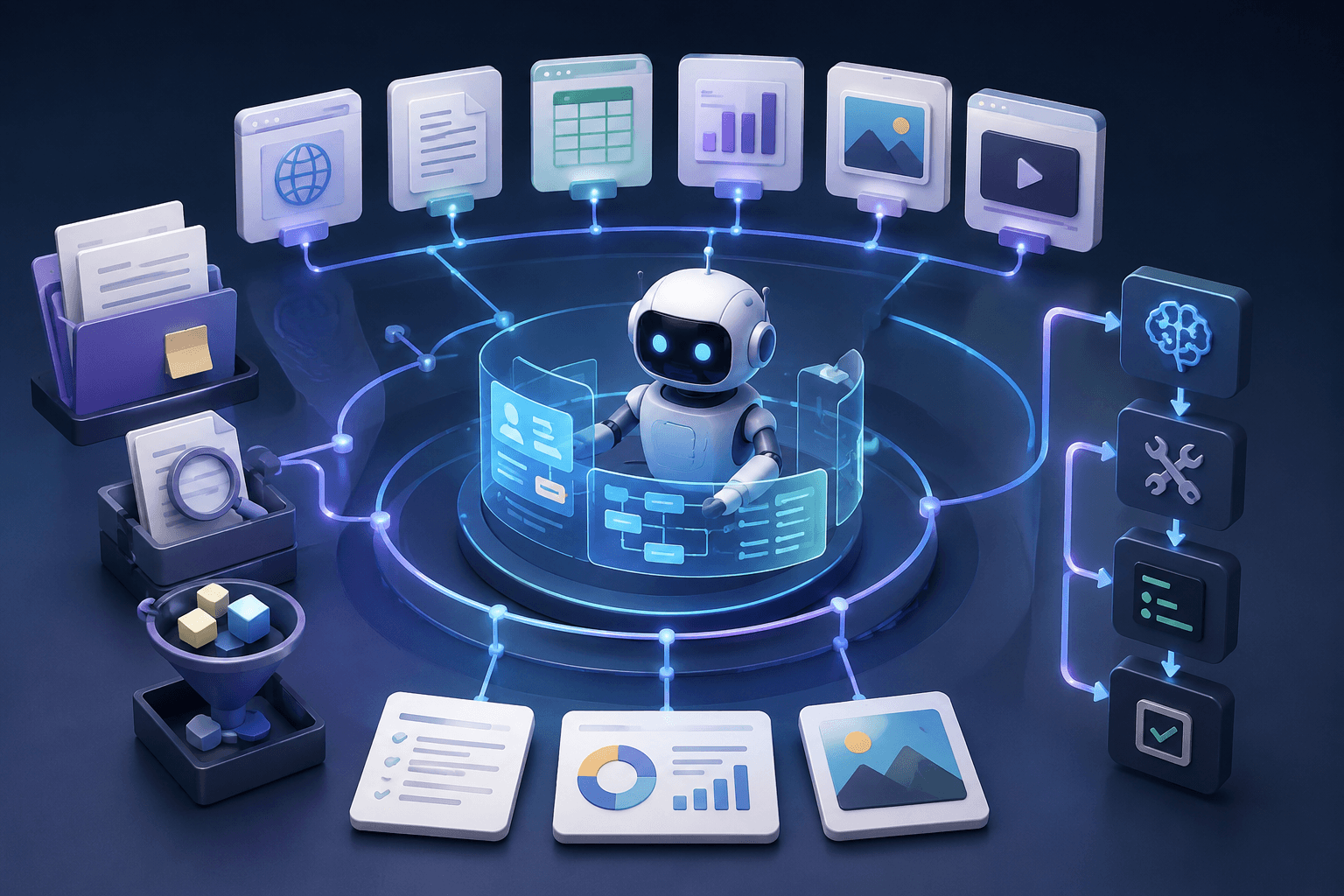
Automation is transforming logistics workflows — from route optimization and shipment tracking to inventory synchronization and predictive demand planning. However, effective automation requires more than isolated scripts; it depends on system integration, real-time data processing, and operational visibility across platforms.
Organizations seeking structured implementation often turn to AI automation services for logistics to design and deploy scalable workflows. By integrating AI-driven decision models with ERP, WMS, TMS, and customer systems, businesses can reduce manual intervention, improve accuracy, and enable faster, data-informed logistics operations.
AI and ML: Making Sense of the Details That Used to Slip Through
AI in logistics didn’t arrive with big announcements. It crept in through small, practical use cases - identifying repeated delays on a route, spotting unusual buying patterns, flagging issues that teams didn’t have time to analyze manually. Over time, those “small” tasks became essential ones.
Modern platforms now process enormous amounts of information: delivery histories, weather patterns, regional behaviour, even subtle operational quirks that rarely surface during human review. These systems don’t replace judgment; they help teams notice trends before they turn into problems.
A temperature drop in a specific region, for example, might nudge demand for winter products upward. A human planner may realize it after a few days. An ML model usually picks it up early, prompting small adjustments that prevent bottlenecks. The same idea applies across routing, warehouse planning, and restocking decisions - less guesswork, more clarity.
Route Optimization: A Shift Away From Guessing
There was a time when route planning meant relying heavily on experienced drivers who “knew the city.” Today, the situation is different. Software now builds and adjusts routes based on what’s happening in real time - not what was true that morning.
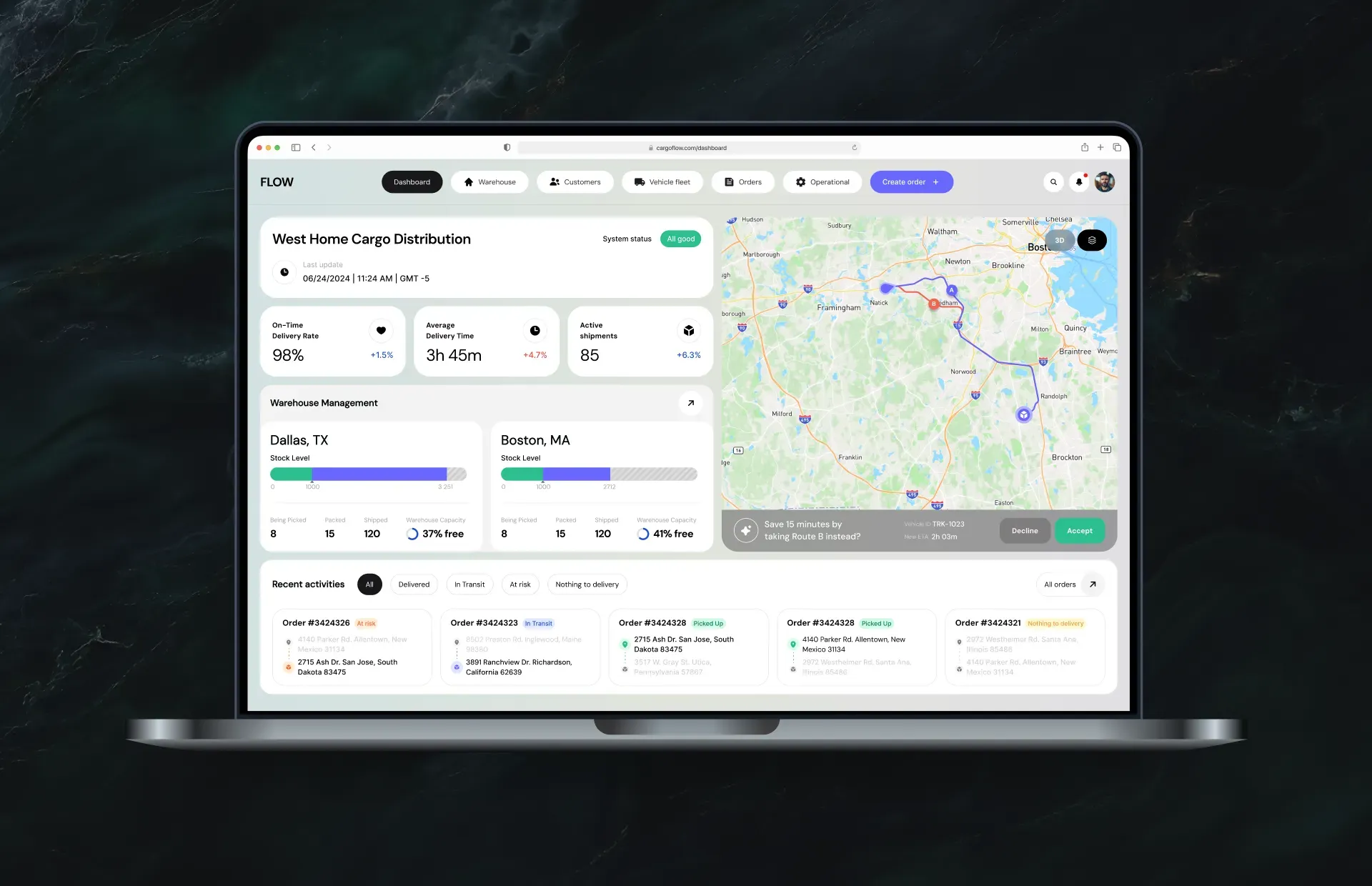
Traffic jams, temporary closures, weather alerts, priority deliveries… these systems digest the noise and reorganize plans accordingly. It results in steadier delivery windows, fewer fuel surprises, and far less scrambling when something on the road goes wrong. It’s not about picking the shortest line on a map anymore, but choosing the smartest option moment by moment.
Real-Time Tracking: Clarity That Reduces Stress for Everyone
Customers have grown used to tracking links, but the real value is felt inside logistics teams. Real-time visibility means delays don’t hide. Someone can intervene early, reroute a vehicle, or warn a customer before frustration builds.
For customers, it’s simple: they don’t have to wonder where their order is.
For managers, it’s a way to run operations without guesswork.
For teams, it means fewer repetitive calls and fewer preventable surprises.
Cost Transparency: Making Pricing Straightforward Again
Shipping costs used to include a fair amount of uncertainty. Different factors, different rules, different exceptions. Modern systems calculate prices right when the customer selects an option, factoring in speed, distance, insurance, and parcel details.
It’s not simply convenient - it removes one of the biggest friction points between customers and carriers. Fewer disputes, fewer unclear invoices, and a clearer sense of what’s actually being paid for.
Warehousing: Automation That Changes the Daily Rhythm
Walking through a modern warehouse feels different from the traditional, paper-heavy operations of the past. Robots handle repetitive movement. Automated systems record activity instantly. AI notices stock levels drifting too low, sometimes before the team realizes it’s happening.
The result is not a fully automated warehouse - people still do the work that requires judgment - but a steadier, more predictable environment. Reorders happen on time. Picking paths make sense. Inventory counts match reality instead of “almost.”
Barcodes: The Uncomplicated Tool That Makes the System Work
Some technologies don’t need to be complex to be indispensable. Barcodes fall into that category. A single scan updates records, confirms transfers, prevents mismatches, and keeps the entire chain aligned. They rarely get attention, but without them, the rest of the system would slow down quickly.
Connected Fleets: Understanding What’s Happening on the Road
Fleet operations used to rely on periodic check-ins and maintenance logs. Now, vehicles themselves provide the information: engine health, fuel efficiency, driving patterns, temperature readings, and more.
This data lets companies address issues before they escalate. It also helps reduce fuel waste, avoid unnecessary downtime, and plan routes based on what’s actually happening - not assumptions or outdated habits.
A connected fleet isn’t about micromanaging drivers. It’s about giving operations a clearer picture of the moving parts they depend on.
Push Notifications: Simple Updates That Make a Big Difference
Push notifications may not seem like technology worth highlighting, but they’ve changed customer expectations. Instead of refreshing tracking pages or calling support, customers get quick updates throughout the delivery process.
It cuts down on anxiety, lowers support volume, and keeps both sides aligned. Sometimes a five-second notification prevents a twenty-minute conversation.
AI Customer Support: When Quick Answers Actually Are Quick
Most customer questions aren’t complicated - they’re just frequent. “Where is my order?” “Can I update my address?” “Did my shipment leave the warehouse?”
AI-powered assistants handle these common questions immediately. And when something requires a human, the system passes the conversation along cleanly, without forcing the customer to repeat information.
It’s a practical balance - machines handle routine work; people handle the exceptions that actually need attention.
Looking Ahead: Future Trends
Sustainability Moves From Trend to Requirement
Electric vehicles, eco-friendly packaging, optimized routes - these aren’t side projects anymore. They’re becoming standard expectations, shaped by regulation and customer demand. Sustainability is shifting from “a nice idea” to “a core operational factor.”
Last-Mile Delivery Becomes a Testing Ground
Drones, autonomous carts, neighborhood-based couriers - companies are experimenting aggressively with the last mile because it remains the hardest part to optimize. Innovation here tends to move fast because customer expectations move fast.
Blockchain Gains Practical Use Cases
Blockchain - once a buzzword - is finding meaningful roles in logistics. A secure, traceable record of each step in a shipment’s journey helps with compliance, fraud prevention, and dispute resolution. It’s not replacing existing systems, but it’s reinforcing them where transparency matters most.
Innovation Isn’t a Milestone - It’s a Working Method
Logistics today is an ongoing, adaptive process. It isn’t just about moving goods anymore; it’s about maintaining a system that can handle unexpected conditions without falling apart.
Software didn’t simplify everything - logistics will always be complex - but it did make the complexity manageable. And as long as companies keep refining these tools, there’s still plenty of room for improvement.
Modern logistics is no longer driven by isolated tools — it requires interconnected systems, real-time data visibility, predictive analytics, and automation across the entire supply chain. Companies that rely on fragmented or legacy software stacks risk falling behind in efficiency, transparency, and cost control.
For organizations ready to modernize their logistics infrastructure at scale, AI transformation services provide a structured path forward. By aligning architecture, data strategy, workflow automation, and operational intelligence, businesses can evolve from reactive logistics management to predictive, AI-enabled operations built for long-term competitiveness.