

TL;DR
- The vibe coding trend is accelerating across startups and enterprise teams
- Speed is improving, but production readiness still lags behind
- Tools are evolving from autocomplete to agents
- Guardrails and cleanup phases are becoming standard
- Payments, deployment, and hosting are increasingly built in
- Community driven tutorials fuel adoption
- Teams that add structure avoid most failures
- The long term trajectory depends on governance and engineering discipline

Intro
Vibe coding is everywhere. From solo founders to enterprise innovation labs, teams are experimenting with AI generated applications at record speed. Yet many confuse rapid prototyping with production readiness.
This guide explains the vibe coding trend meaning, why adoption is accelerating, and how to apply it safely. While media coverage highlights speed and accessibility, long term sustainability requires process and oversight.
Public interest continues to grow, as reflected in coverage from sources such as Forbes discussing what vibe coding is and why it matters and industry commentary from Microsoft on how AI is changing who can build apps. The shift is real, but the implications are nuanced.
What Is Vibe Coding?
At its core, vibe coding means building applications by describing intent in natural language while AI generates the underlying code. A concise overview is available in Wikipedia’s entry on vibe coding, which frames it as an evolution of AI assisted programming.
Cloud providers now define it more operationally. Google Cloud’s explanation of what is vibe coding highlights prompt driven development workflows. For teams asking what is vibe coding trend, the answer lies in the convergence of generative AI, low friction tooling, and growing developer comfort with AI copilots.
Why Vibe Coding Became a Programming Trend
The vibe coding programming trend emerged for three primary reasons.
First, generative models improved rapidly. Second, developer tools integrated AI natively. Third, non technical founders gained access to functional prototypes.
Communities accelerated awareness. Discussions such as this Reddit thread analyzing the rise of vibe coding show how quickly terminology spread beyond technical circles.
As a result, the vibe coding AI programming trend moved from niche experimentation to mainstream discourse within months.
Latest Vibe Coding Trends
The following sections outline current vibe coding latest trends shaping adoption patterns.
1. Tools Boom
New AI development interfaces appear weekly. Platforms such as Google AI Studio Vibe Code simplify prompt to interface creation.
This rapid expansion defines the broader vibe coding AI trend.
2. Prompt to App Growth
Users increasingly generate complete working apps from structured prompts. The process compresses early stage development timelines.
However, speed without architecture introduces risk.
3. Payments Built In
Several tools now integrate authentication, payments, and hosting directly into generated apps. This reduces friction but increases dependency on platform ecosystems.
4. Agents, Not Autocomplete
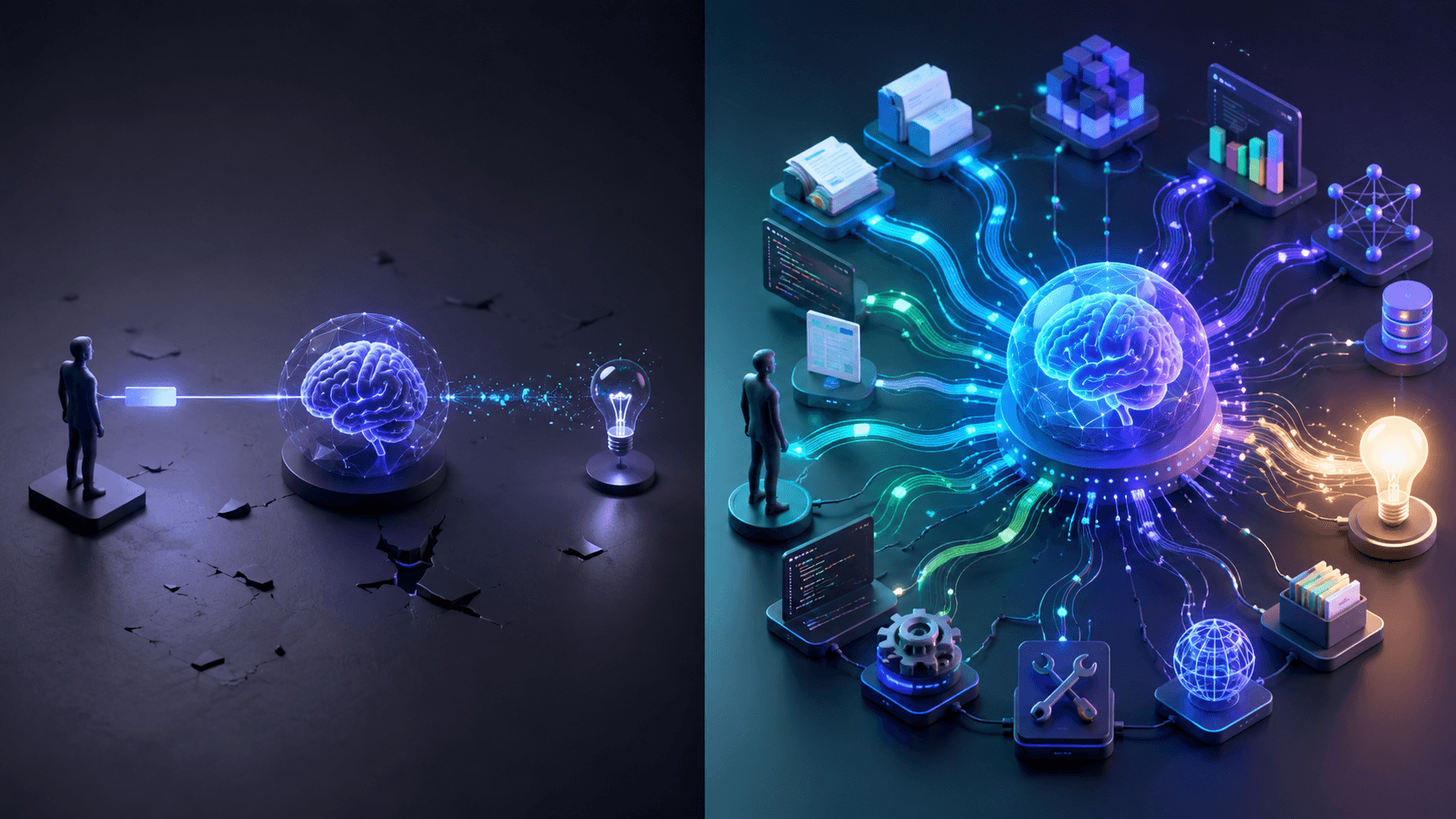
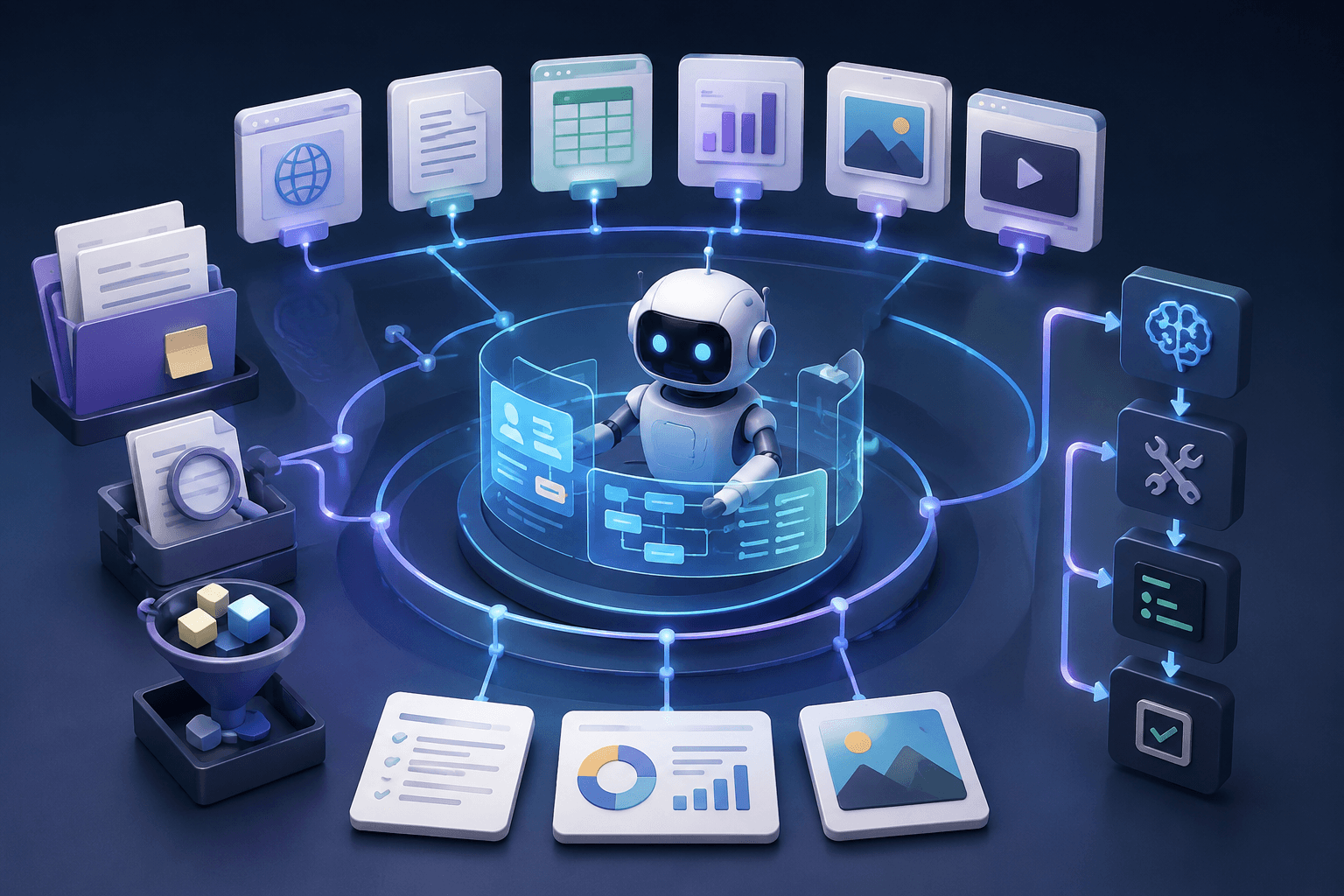
The transition from autocomplete suggestions to multi step autonomous agents marks a significant shift. AI is not only suggesting code but orchestrating workflows.
This shift signals deeper vibe coding future trends.
5. Guardrails After Failures
Early adopters experienced brittle deployments and hidden bugs. As a result, structured review and testing layers are gaining traction.
Articles comparing vibe coding vs traditional coding highlight tradeoffs between velocity and control.
6. Context Files Standard
Teams now provide structured documentation, PRD summaries, and repository context before prompting AI. This reduces hallucinated structure.
7. Sandboxing for Safety
Organizations increasingly isolate AI generated code within sandboxed environments. Security and compliance concerns drive this practice.
8. Build in Public Tutorials
Developers share real time app building sessions online. This transparency fuels the visibility of the broader vibe coding software development trend.
9. UI First Vibe Coding
Design driven prompts often produce front end layers first, with backend logic added later. This approach favors demos but can obscure structural weaknesses.
10. Backlash and Burnout
As expectations rise, frustration follows. Some teams report prompt fatigue and inconsistent results. This reaction is part of the natural lifecycle of emerging vibe coding trends.

When Vibe Coding Works (Best Use Cases)
Vibe coding performs well in specific contexts.
Prototypes and MVPs
Rapid idea validation benefits from prompt driven generation. Founders can test hypotheses quickly.
Internal Tools
Low risk internal dashboards and reporting tools are strong candidates.
UI Scaffolding
Front end mockups can be generated rapidly.
Quick Experiments
Exploratory builds and hackathon projects fit the model.
In these scenarios, the vibe coding trend aligns with practical value.
When Vibe Coding Fails (Risks Teams Hit Fast)
Failure typically occurs when teams skip structure.
Common issues include duplicated logic, inconsistent patterns, and fragile deployments. Refactoring guidance such as best practices for AI refactoring legacy code illustrates why cleanup becomes essential.
Security gaps also emerge when validation layers are not implemented early.
How to Use the Trend Safely (Simple Team Workflow)
Structured workflows reduce risk within the vibe coding programming trend.
1. Start with a One Page Spec
Define scope, users, and constraints before prompting.
2. Small Changes Only
Limit each prompt to a single feature or modification.
3. Run, Test, Commit Every Step
Incremental validation prevents cascading regressions.
4. Human Review for Critical Code
Authentication, payments, and security layers require manual inspection.
5. Cleanup Before Production Rule
No AI generated application should reach production without structured refactoring, testing, and architectural review.
Organizations without sufficient internal bandwidth sometimes explore collaboration models. A broader discussion of strategic capacity scaling appears in 5 key benefits of outsourcing software development.
How CodeGeeks Solutions Can Help
As the vibe coding AI trend matures, many teams reach a stabilization phase. CodeGeeks Solutions supports organizations transitioning from experimental builds to production ready systems.
Through its Vibe Coding Cleanup as a Service, the company helps refactor AI generated applications, eliminate duplicated logic, and implement proper testing coverage. Independent validation of technical expertise can be reviewed via the Clutch profile of CodeGeeks Solutions, which includes verified client feedback.
For enterprises integrating AI generated components into existing infrastructure, structured modernization programs such as AI driven legacy modernization services align prototypes with scalable architectures. In parallel, workflow optimization through AI automation services for businesses ensures that AI driven modules integrate securely across teams.
Documented transformation examples are available in published case studies, illustrating how early prototypes evolve into maintainable enterprise solutions.
Final Thoughts
The vibe coding trend reflects a genuine shift in how software is built. Generative AI lowers entry barriers and accelerates iteration.
Yet sustainable impact depends on discipline. The future of the vibe coding AI programming trend will be shaped not by speed alone, but by governance, refactoring, and responsible deployment practices.
FAQ
What is vibe coding trend and why is it popular?
It refers to the growing practice of building software by describing intent in natural language and letting AI generate code. It is popular because it dramatically reduces the time required to create working prototypes.
Is vibe coding good for production software?
It can contribute to production systems, but only after structured refactoring, testing, and security validation.
What are the latest vibe coding trends?
Current developments include autonomous agents, built in deployment tools, context based prompting, and stronger governance layers.
How do teams reduce risk while using vibe coding tools?
Teams reduce risk by using small prompts, testing incrementally, enforcing human review, and introducing a cleanup phase before production.